Camping During a Fire Ban: What You Need to Know
Have you ever shown up at a campsite excited for that first marshmallow roast, only to see “Fire Ban in Effect” signs everywhere?
Then you know just how disappointing it can feel.
Fire bans can happen any time of year, but they’re most common during hot, dry weather. They exist for one reason only: safety.
Knowing exactly what a fire ban means, how it affects your camping plans, and how to adapt can make the difference between a stressful trip and a great one.
With the right gear and mindset, you can still enjoy amazing meals, warm nights, and fun evenings — even without a crackling campfire.
What is a Fire Ban?
A fire ban is a temporary restriction that limits or prohibits open flames, certain types of cooking equipment, and other fire-related activities.
These bans are declared by local municipalities, provincial or territorial governments, or park authorities.
Not all bans are the same.
- Partial bans might allow specific equipment, like propane stoves, while banning wood or charcoal.
- Total bans mean no open flame at all — in some cases, not even propane devices.
The rules depend on current conditions and the level of fire risk.
That’s why it’s always a good idea to confirm the specific rules for your campground before you go, and again when you check in at the park.
Why Fire Bans Are Put in Place
The main reason is wildfire prevention. Hot, dry, and windy weather can turn a tiny spark into a massive fire in minutes.
Across Canada, human activity is one of the main causes of wildfires.
And once one of these wildfires starts, it can destroy forests, wildlife habitats, and even entire communities.
Fire bans are a way to remove that risk.
Even controlled campfires can get out of hand when conditions are right. And once a wildfire starts, it’s expensive and dangerous to put out.
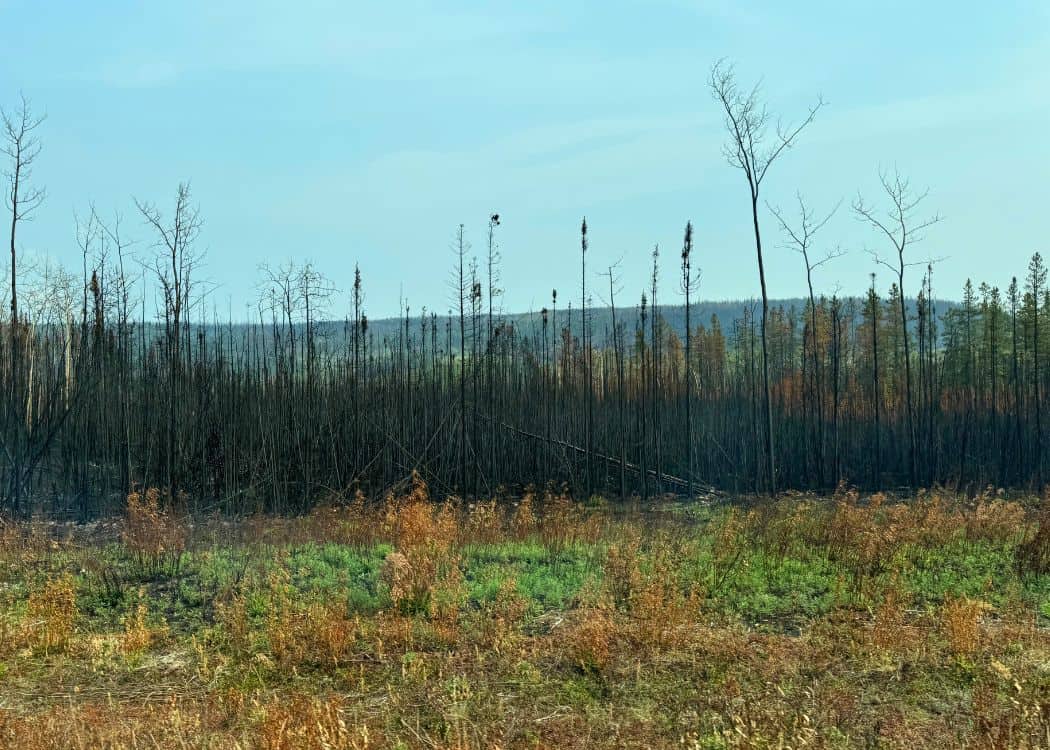
In 2023, parts of Alberta and British Columbia faced long-term fire bans after severe wildfires.
Many campsites adapted by offering extra propane rentals and promoting no-cook camping ideas.
We were heartbroken to learn that the town of Jasper, one of our favourite places to visit in Alberta, had been devastated by the wildfires.
Understanding the Rules in Your Area
Fire bans can vary widely between regions — and they can change quickly.
What’s allowed in one park might be banned in another just a few kilometres away.
We experienced this just recently, when we camped at Sturgeon Bay Provincial Park. We had no fire ban there.

Meanwhile, as soon as we drove outside the park boundaries, we noticed signs posted that the area was under a total fire ban. Strange right?
How to check for fire bans:
- Visit your provincial or territorial wildfire information website.
- Check the Parks Canada or provincial park website for alerts.
- Follow local municipalities or fire departments on social media.
- Look for posted signs at campground entrances.
🔥 Expert Tip – Never assume yesterday’s rules still apply. Conditions can change overnight. Always check the campground’s website just before you head over.
What’s Not Allowed During a Fire Ban
It really isn’t rocket science, just common sense. Most fire bans prohibit:

If you’re unsure about a specific item — ask. Park staff and rangers can confirm what’s allowed.
What is Usually Allowed
Even during a ban, you often still have options for cooking and warmth. Many parks allow:

The important factor here is control — you need to be able to shut off the flame instantly.
Cooking Without a Campfire
We actually do not do much cooking over our campfire to begin with.
But I know a lot of people still do, so a fire ban will really impact their meal choices.
Propane Camp Stoves
A double-burner propane stove is the go-to choice for most campers.
They’re versatile, easy to use, and available in sizes for car camping or backcountry trips.

Even though we have a stove in our Teardrop, we always have our Coleman camp stove with us.
This is because we actually enjoy outdoor cooking (and I hate the way the smell of bacon lingers in the camper).
Tips:
- Use them on a flat, stable surface.
- Keep extra propane on hand — more than you think you’ll need.
- Always follow the manufacturer’s instructions.
Portable Butane Burners
These are small, lightweight, and perfect for quick meals like grilled cheese or stir-fry.
Many people who backcountry camp use these types of stoves since they are small, lightweight, and easy to pack.
Just make sure that you have extra butane canisters with you during a ban.
Electric Cooking
If your site has power, you can use an electric griddle for pancakes, an electric kettle for coffee, or even a slow cooker for stew.
This is a great option even during bad weather.

In fact, we carry a few electric appliances to use inside our camper for just this reason.
No-Cook Meal Ideas
No heat? No problem.
Pack wraps, sandwiches, bagels with cream cheese, pre-cooked pasta salad, granola bars, fruit, and yogurt.

Overnight oats make an easy breakfast without any cooking.
There are so many make-ahead meals that require no cooking. Just use your imagination!
Staying Warm Without a Fire
While most fire bans happen during the hot summer months, it can still get a little chilly in the evenings at higher elevations.
But campfires don’t have to be your only source of warmth.
Staying comfortable is all about preparation.

- Dress in layers: Start with a base layer to wick moisture, then add fleece or insulated layers, topped with a windproof outer shell.
- Upgrade your sleeping setup: A sleeping bag rated for colder temperatures, paired with an insulated mat, makes a big difference.
- Add extra heat: Hot water bottles in your sleeping bag or reusable hand warmers can help on chilly nights.
- Warm drinks: Herbal tea, hot chocolate, or even broth can warm you from the inside.
Creating Ambience Without a Fire
Even without a campfire’s glow, your campsite can still feel welcoming.
- LED lanterns: Bright, safe, and long-lasting.
- String lights: Battery or solar-powered options add a soft glow.
- Glow sticks: Fun for kids and handy for marking tent lines at night.
- Stargazing: A fire ban often means clearer skies with less smoke. Bring a blanket and see what constellations you can spot.
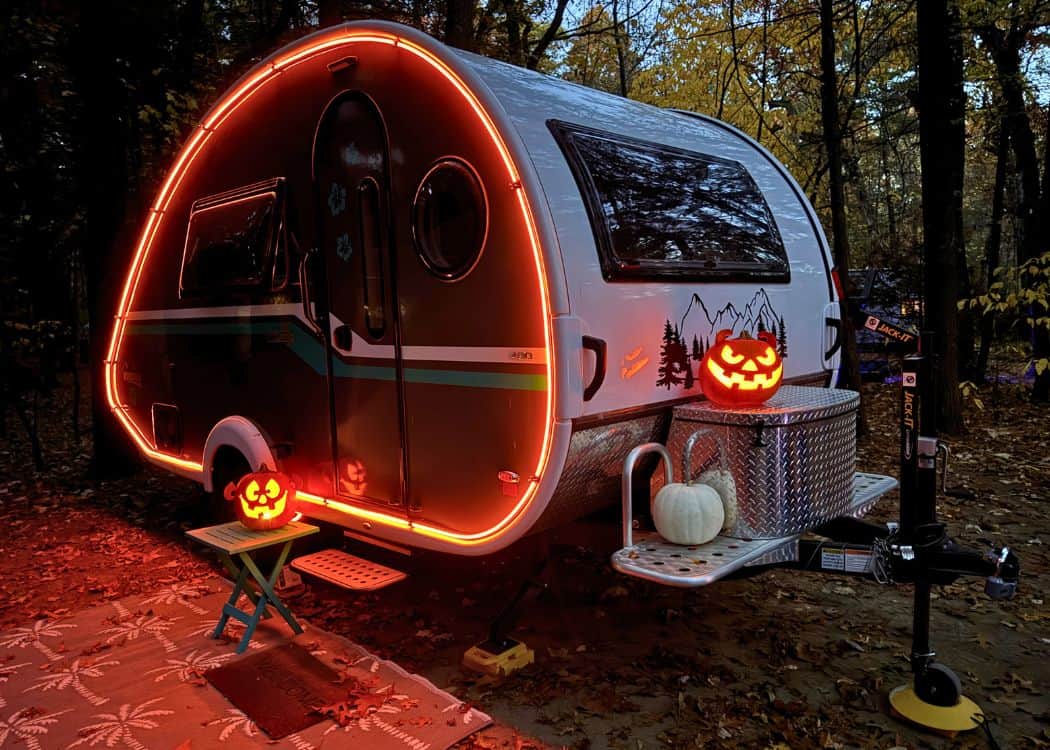
Just remember to be respectful of your neighbours. Be sure to turn off any bright lights at a reasonable time (don’t leave them on all night).
Safety and Legal Considerations
Breaking a fire ban isn’t just a rule violation — it’s a serious safety risk.
Penalties can range from $500 to over $25,000, depending on the location and the damage caused.
🔥 Did You Know – If you are found responsible for causing a wildfire, you could be on the hook for all costs involved in extinguishing it, as well as any property damage caused by the fire?
If you see someone ignoring the ban, report it to the local park office or fire authority.
These rules are put in place to protect everyone — including the wildlife and future campers who want to enjoy the area.
Tips for a Great Trip During a Fire Ban
I know that not being able to enjoy that evening campfire can be a real disappointment, especially for the kids.
But there are still ways to have fun and stay safe, while respecting the ban.

- Plan meals in advance: This saves time and stress at the campsite.
- Bring extra fuel: Running out mid-trip is no fun.
- Choose your campsite wisely: Look for natural shade or shelter from wind.
- Pack entertainment: Board games, cards, and books are great for evenings.
- Stay flexible: Fire bans are temporary. Focus on enjoying what’s available.
Final Thoughts
Fire bans are there for a reason — to protect people, wildlife, and the places we love to camp.
They don’t have to ruin your trip. With the right preparation, you can still enjoy delicious meals, warm nights, and great memories.
Think of it as a chance to try new camping traditions — maybe stargazing instead of fire-gazing, or enjoying a gourmet camp stove dinner instead of hot dogs on a stick.
But above all, PLEASE respect the rules, stay safe, and you’ll still have an unforgettable camping experience.
Pin This Post for Later!
Related Posts:
- Common RV Terminology and Slang for Newbie Teardrop Owners
- 150+ Fun and Unique Camper Names for Your Teardrop Trailer or RV
- 10 Top Reasons Why Teardrop Trailer Camping is Better Than a Tent
- What is a Teardrop Trailer and Are They Right for You?
- Does a Teardrop Trailer with a Bathroom Really Exist?
- What is Boondocking? A Complete Guide for Beginners
- What License is Needed to Drive an RV in Ontario
- Teardrop Trailer Campground Etiquette That You Need to Know
- Top 10 Things You Really Should Know BEFORE Buying A Teardrop Trailer
- Camping During a Fire Ban: What You Need to Know
- Complete Guide to Halloween Events at Ontario Parks
- The nuCamp Haven 220 – Is This Our Next Trailer?
- Is Winter Camping in a Teardrop Trailer Possible?
- The Best 5 Dog Beaches in Ontario Provincial Parks
- 10 Practical Ways to Use Your Teardrop Trailer
- What We Actually Eat on Camping Trips (No Complicated Recipes)
- The Camping Pantry Staples We Never Leave Home Without
- What the New Ontario Parks Alcohol Rules Mean for Campers
