
Is Winter Camping in a Teardrop Trailer Possible?
Living in Southern Ontario, John and I tend to push our camping season til at least mid-November (not including this year, when we were hit with a winter storm a week and a half into the month).
But that’s as brave as we get. Winter camping in the snow has not been added to our wishlist… yet!
But can it be done? Can you winter camp in a teardrop that is not designed to be a 4-season trailer?
The short answer is yes.
It is possible to camp year-round in a teardrop. It just takes some planning, extra gear, and realistic expectations.
Here’s everything you should know about winter camping in a teardrop trailer.
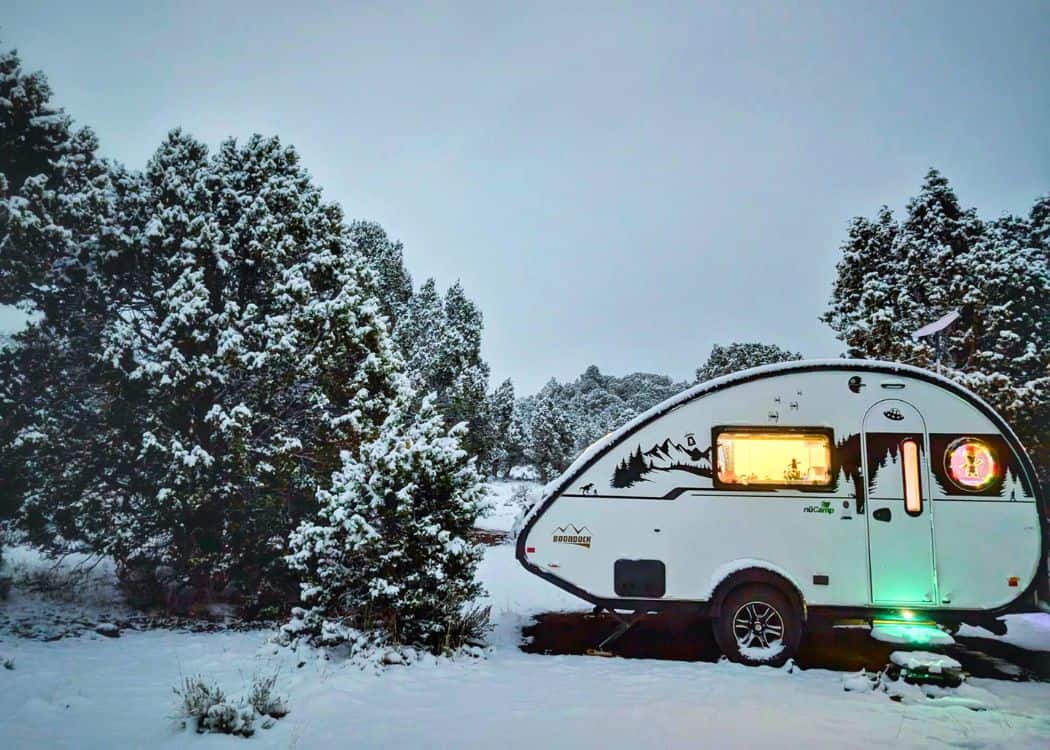
❄️❄️ A special thanks to all the awesome winter warriors from the nuCamp Owners group who contributed their photos! ❄️❄️
Is Winter Camping in a Teardrop Trailer Possible?
As I mentioned in the intro, YES, it is possible to camp in a teardrop trailer during the winter.
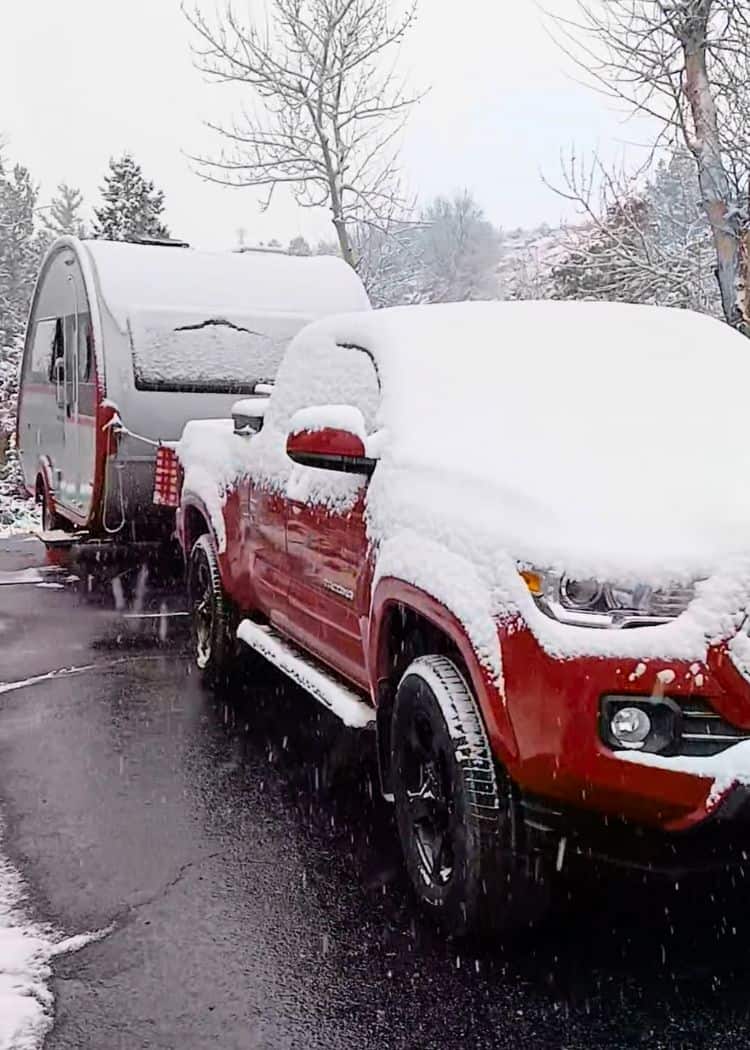
And just for the sake of this article, winter will be considered to be a Canadian-style winter as opposed to a Florida-style winter!
What Makes Winter Camping Different?
Winter camping is a whole different experience from camping in the summer.
There are the obvious considerations like shorter days and longer nights, as well as temperatures that drop fast once the sun goes down.
You will also have to contend with snow and ice, which can make roads harder to navigate.
Lastly, many campgrounds close for the season, leaving you with fewer options.
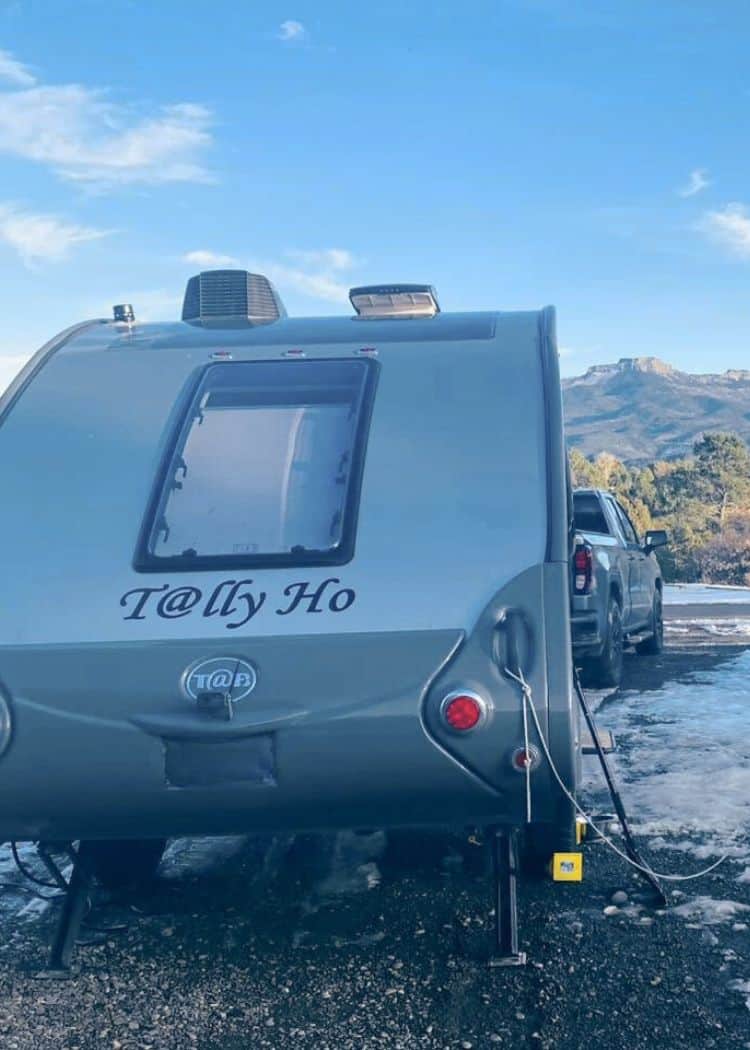
On top of all that, you have to consider the limitations of your actual camper and how it behaves in cold or snowy conditions.
Things like frozen water lines, dead batteries, and condensation inside your trailer can ruin a camping trip.
But winter camping also has its perks.
Campgrounds are less crowded, trails are quieter, and sitting inside your trailer with a hot drink while snow falls outside can be a magical experience.
Managing Water in Freezing Temps
One of the most important things to remember when considering a winter camping trip is your water needs.
Because teardrops are generally not four-season trailers, you will need to make sure that your trailer is fully winterized.

This means that you can’t use your plumbing as usual. But there are workarounds.
Protecting the Plumbing
If you leave your tanks full, you risk cracked pipes and fittings.
We make sure that our lines are drained, blown out, and RV antifreeze is added before the temperatures drop too low.

Keep in mind that just because your furnace is running and keeping the camper warm, it will not keep your tanks and lines from freezing if there is still water in them.
This is because there is no insulation under the camper.
Drinking Water
The simplest solution is to carry drinking water in jugs. You can keep them inside the trailer so they don’t freeze.
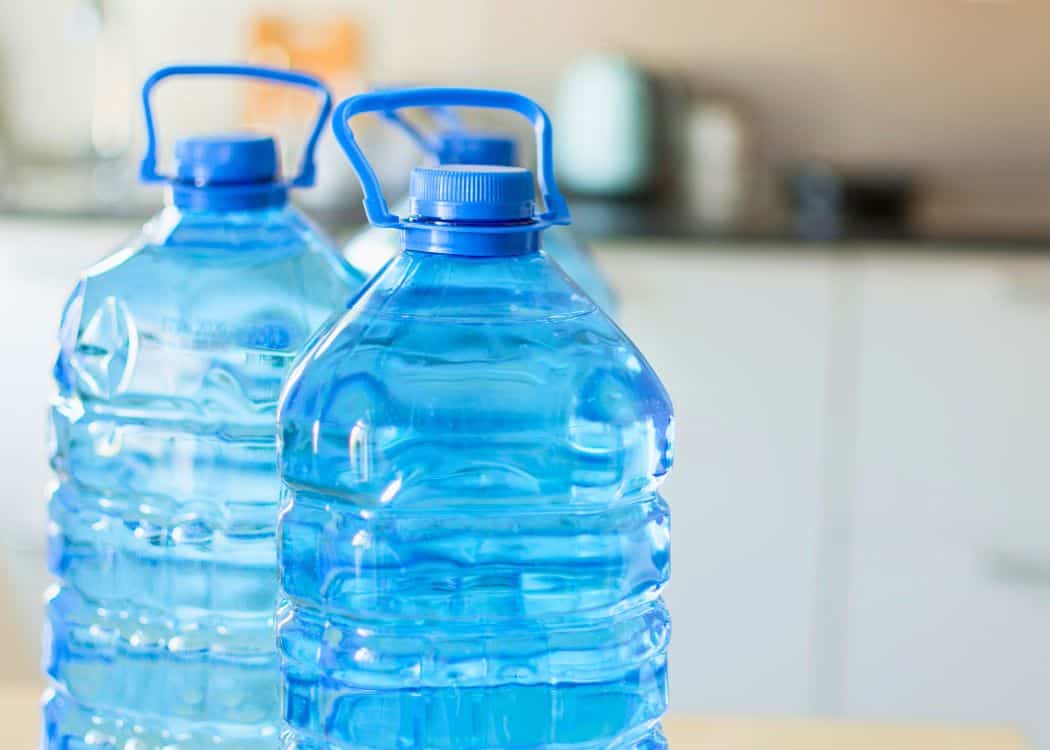
Use a collapsible jug or a couple of gallon containers. Always carry more water than you think you will need.
Washing Up
For washing, heat small amounts of water on your stove instead of relying on the sink.
Wet wipes/body wipes also work well for washing up.
You can use paper plates and bamboo cutlery, as well as keep meals simple, in order to cut down on your dishwashing.
Toilet Options
Using your toilet may require a little more thought while camping in the winter.
If you have a cassette toilet, it will pretty much be “business as usual.”
Some owners will use RV antifreeze in their cassette toilet as an added precaution.
Then, use wet wipes to wash your hands.
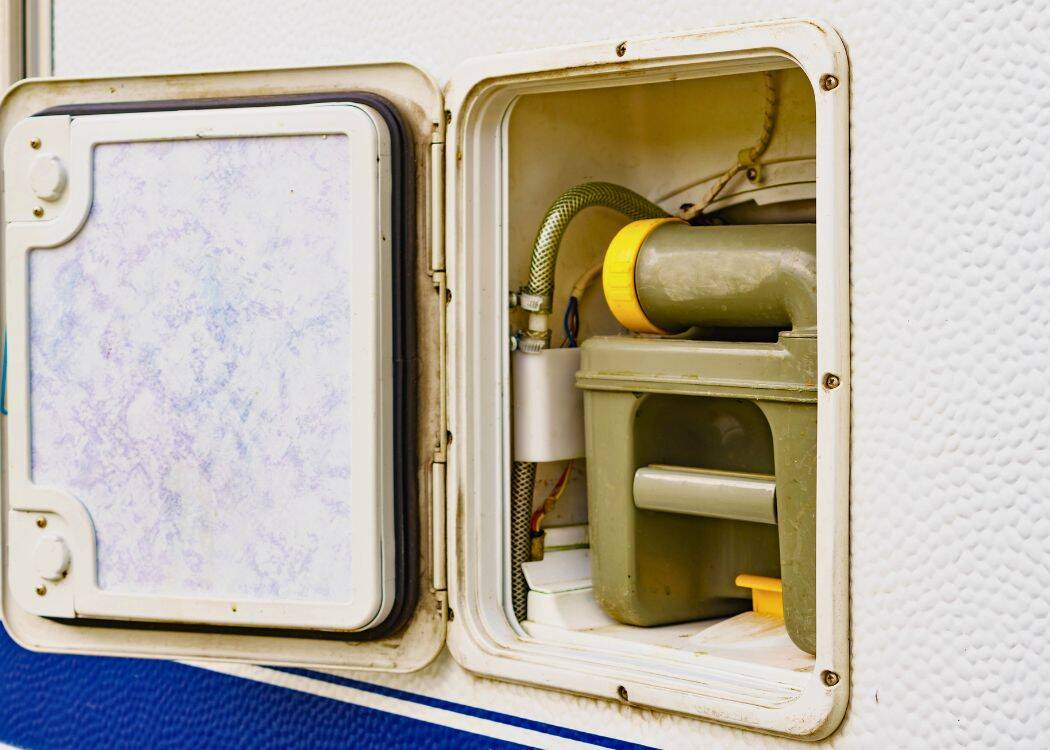
But if, like us, you have a black tank, then you have several options to choose from:
Staying Warm in a Teardrop Trailer
With your waterlines protected, your next concern will be staying warm while inside the trailer.
Luckily, if you have a nuCamp trailer, you will have access to an ALDE heating system.
Being able to heat the camper with either propane or electricity is super helpful and provides flexibility in your camping style.

Using the Furnace
Running the furnace on electricity is a great option if you are plugged into shore power.
If you are boondocking, keep in mind that the furnace fan runs off your battery, so you’ll need enough power to keep it going.
Another thing to remember is that it takes a little longer to warm up the camper than when you switch to propane.
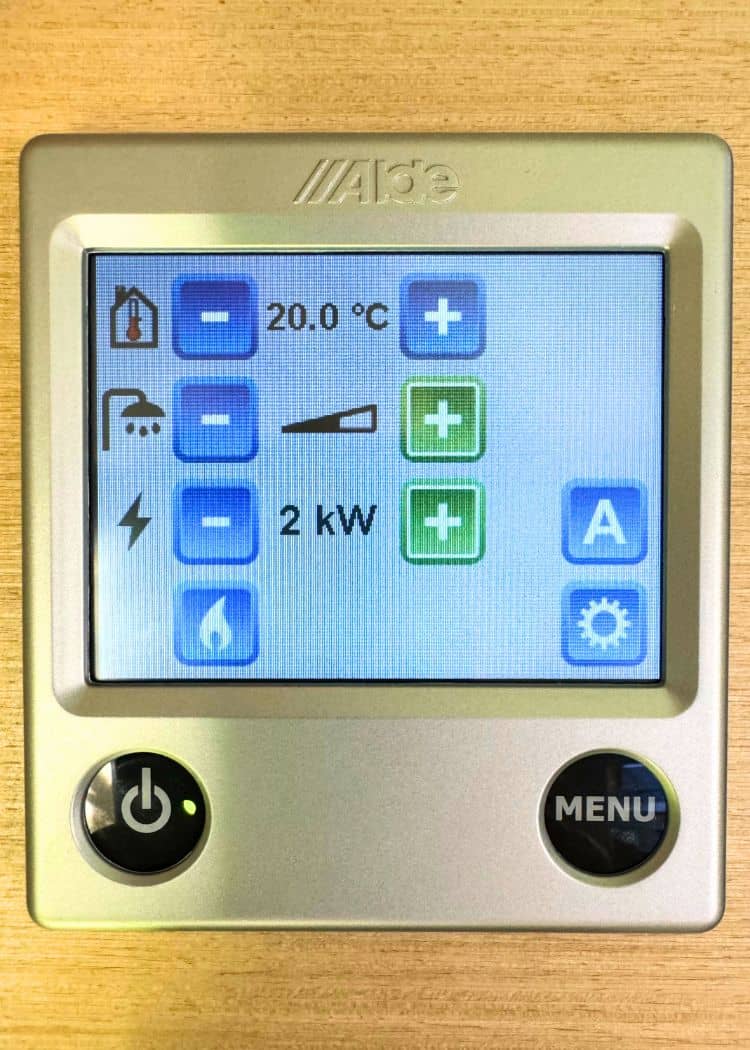
While we haven’t camped in winter conditions, we did experience some cold fall evenings with light snow.
And we were kept toasty warm with our ALDE running!
If you do choose to use your propane, make sure that you have enough! Or carry a second tank just in case.
We woke up to the low gas alert one chilly morning when we forgot to swap out our tanks the night before. Not fun!
Backup Heating Options
When you’re camping with hookups, a small ceramic space heater is a good backup. It can save your propane and take some strain off the furnace.
Just make sure your trailer can handle it without blowing a fuse.
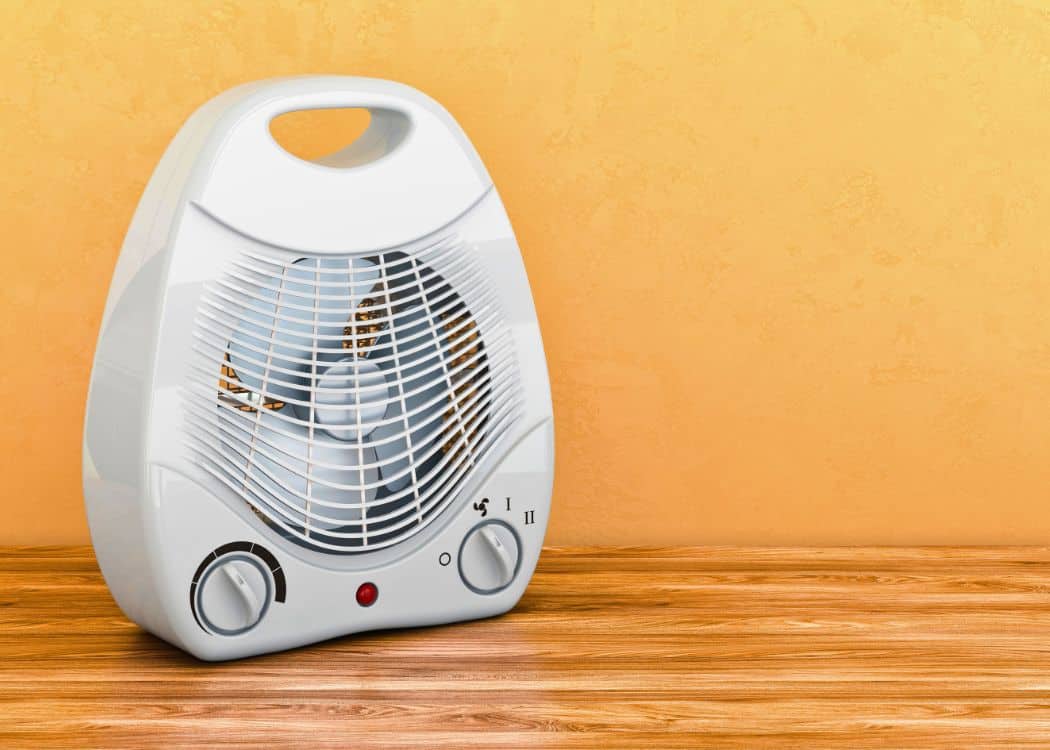
Of course, pairing your furnace heat with good old-fashioned warm jammies, thermal layers and warm blankets or sleeping bags is also a great option.
Ventilation and Condensation
Condensation is one of the biggest issues in winter camping.
When you breathe and cook, moisture builds up quickly, especially in a small teardrop trailer.
Even during cold fall nights, we have woken up to condensation on our walls when we have forgotten to vent our windows.

And the more people (and animals) that you have in the trailer, the faster this will happen.
Always crack a roof vent or window, even when it’s freezing outside.
Moisture absorbers can also be a huge help.
The last thing that you want is for mould to start forming in the nooks and crannies of your trailer.
Power Needs in Winter
The fact is, cold weather drains batteries faster.
Add in furnace use, longer use of your lights, and maybe a fan or small heater, and your power needs go up.
So it’s definitely important to consider your power needs before heading out on a winter camping trip.

Battery Basics
If you are winter camping off-grid, you need to be really comfortable with knowing how long your trailer batteries can hold a charge.
With so many items (lights, furnace fan, additional heaters) drawing from your battery, you don’t want to have to deal with a low battery warning in the middle of the night.
And if your teardrop has a built-in warmer for your battery, use it! (The switch in our TAB 400 is located in the bedside cubby.)
Another suggestion we have is to upgrade to lithium batteries if you plan on doing a lot of winter camping.
They tend to deal with cold weather better than other types of batteries.
Solar Limitations
Winter solar can be unreliable. Days are shorter, and panels get covered with snow.
It may not be smart to count on solar as your only power source when winter camping.
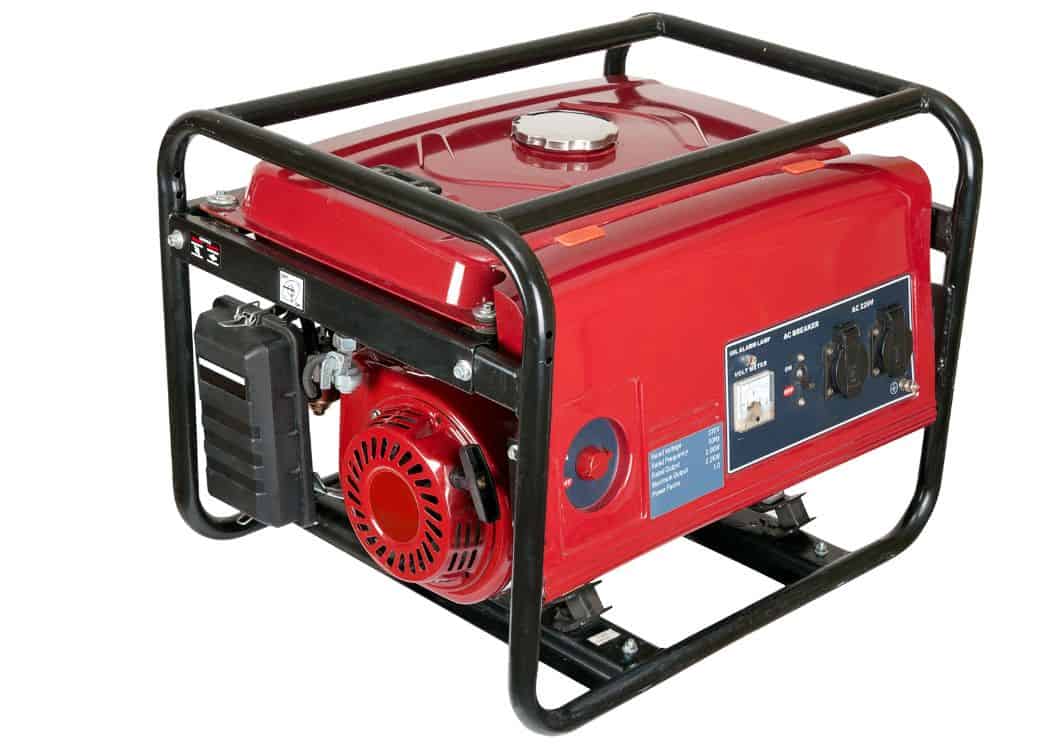
Other Power Options
Of course, there are other options for keeping your teardrop up and running:
Safety and Comfort Considerations
If you are planning to head out on a winter camping trip, there are a few extra safety steps that you need to consider.

Carbon Monoxide Safety
Make sure that you have a carbon monoxide detector and that it is functioning properly.
The good news is that all newer model nuCamp trailers have one that is factory-installed.
If your teardrop did not come with a carbon monoxide detector already installed, get one!
Blocking your vents or running a propane heater inside are also not a great idea.
Propane Issues
And speaking of propane, if you are planning on being away for more than a weekend, having at least two propane tanks is a must.
Even if you know that you won’t use it, it will come in handy in an emergency, like if you were to get snowed in.

Oh, and check your propane levels before bed, so that you are not woken out of your sleep by the dreaded low gas alert!
Clothing and Bedding
Even with heat, you’ll want warm layers.
Pack insulated sleeping bags, extra blankets, and thermal base layers.
Wool socks and hats go a long way toward staying comfortable.
If all other heating methods fail, your warm clothing and bedding will keep you warm in an emergency.
And while I normally don’t like carpeting in the trailer (except for a small mat at the door), I would definitely put one down in the winter.
Those floors can get really cold! A nice thick runner will help keep your toes warm while you are cooking or even sitting at your table.
Food and Cooking
Plan simple, hearty meals. Soups, chilli, and pasta are easy to make and warm you up quickly.
A slow cooker is handy if you’re plugged in.
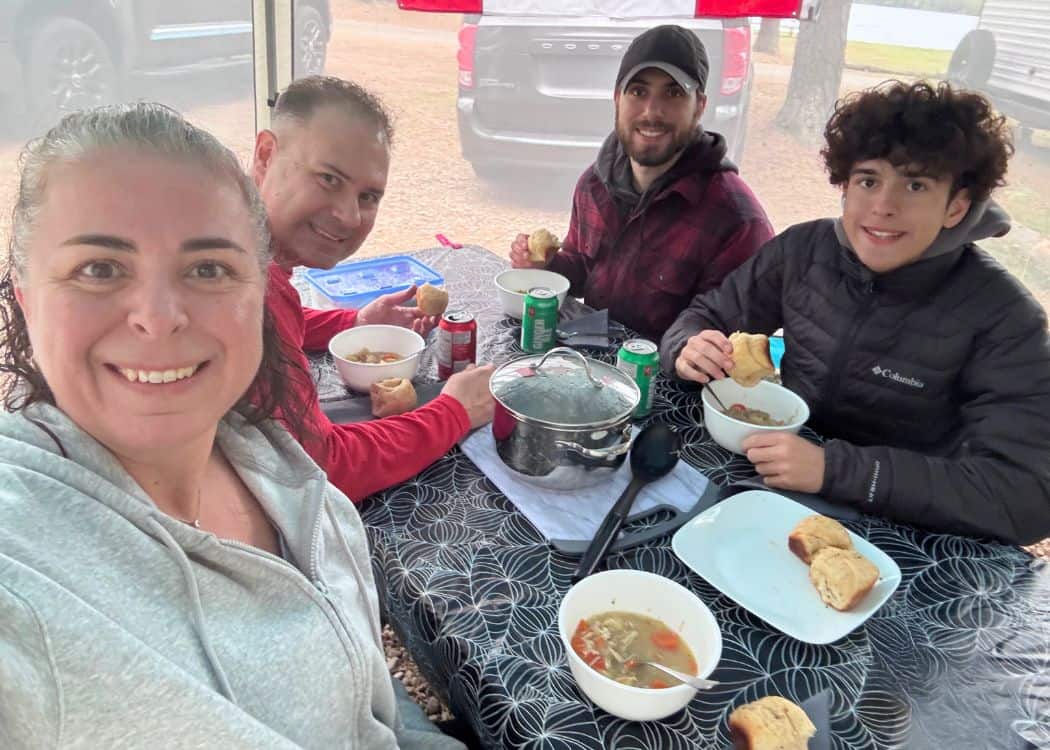
Always bring more food and water (especially non-perishables like canned soup) than you will need.
If you happen to get snowed in or stuck somewhere, then you will have one less thing to worry about.
Where to Camp in Winter
Not every campground is open year-round. Before you head out, check which parks are open and what services they provide.
Open Campgrounds
In Ontario, some provincial parks like Algonquin, MacGregor Point, and Arrowhead keep winter loops open.
This means that you will have access to heated comfort stations and running water.

In the U.S., many state parks in warmer states allow year-round camping.
And if you are lucky, you may also find a few private campgrounds that stay open during the winter.
Boondocking
If you’re boondocking, look for safe, plowed areas where overnight parking is allowed.
In Canada, Crown Lands may be available, but accessibility can be an issue in deep snow.
There is also the option of “moochdocking” with a friend or family member who owns a large piece of land.
Tips for a Successful Winter Trip
Here are just a few last tips to help make your winter camping trip both safe and a lot of fun:
Final Thoughts
While John and I have not yet attempted to winter camp in our teardrop, it is definitely possible.
It does take a little more planning and preparation, and there are definite safety concerns that need to be addressed.
But imagine waking up to a soft snow falling, the crisp air as you enjoy your campfire, or just cuddling up in your trailer with a hot drink, a good book, and nowhere you need to be.
Once you get the hang of it, you might find that winter camping is one of the best ways to enjoy your teardrop trailer.
Have you tried winter camping in your teardrop? I’d love to hear how it went!
Pin This Post for Later!

Related Posts:
- Common RV Terminology and Slang for Newbie Teardrop Owners
- 150+ Fun and Unique Camper Names for Your Teardrop Trailer or RV
- 10 Top Reasons Why Teardrop Trailer Camping is Better Than a Tent
- What is a Teardrop Trailer and Are They Right for You?
- Does a Teardrop Trailer with a Bathroom Really Exist?
- What is Boondocking? A Complete Guide for Beginners
- What License is Needed to Drive an RV in Ontario
- Teardrop Trailer Campground Etiquette That You Need to Know
- Top 10 Things You Really Should Know BEFORE Buying A Teardrop Trailer
- Camping During a Fire Ban: What You Need to Know
- Complete Guide to Halloween Events at Ontario Parks
- The nuCamp Haven 220 – Is This Our Next Trailer?
- Is Winter Camping in a Teardrop Trailer Possible?
- The Best 5 Dog Beaches in Ontario Provincial Parks
- 10 Practical Ways to Use Your Teardrop Trailer
- What We Actually Eat on Camping Trips (No Complicated Recipes)
- The Camping Pantry Staples We Never Leave Home Without
- What the New Ontario Parks Alcohol Rules Mean for Campers
