
The Ultimate Guide to Camping with Your Dog
Thinking about taking your dog camping for the first time?
Then we have an awesome guide to help make the experience go as smoothly as possible!
Camping with your dog can be a fantastic experience. We absolutely love it when our son brings the “Granddog” along on our camping trips!
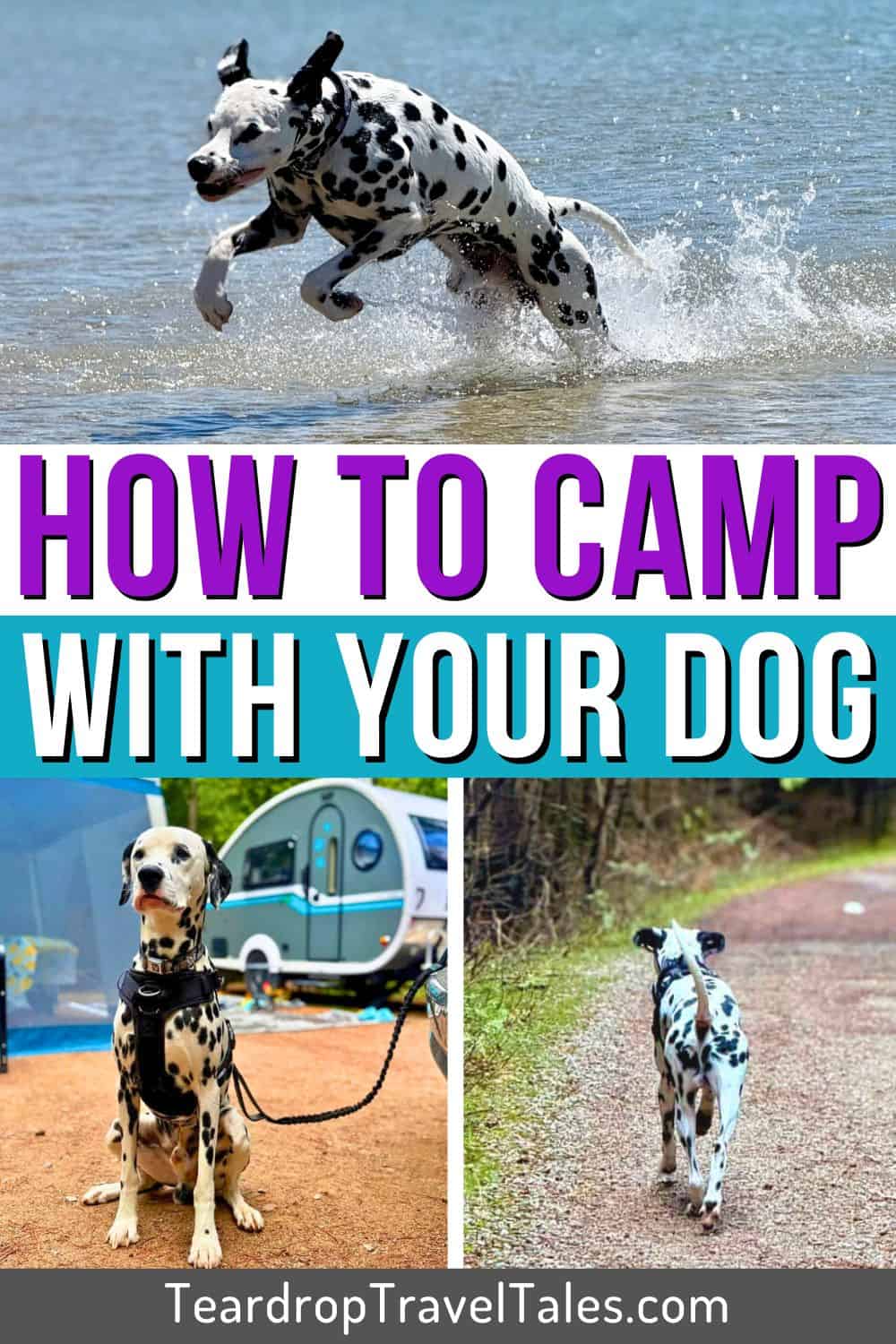
In fact, Guinness (his Dalmatian) loves nothing more than spending time outdoors, exploring new trails with us, splashing in the lake, and curling up by the campfire at night.
If you’re thinking about taking your fur baby camping, then have a look at our guide.
We think preparation is definitely key to making your trip enjoyable and stress-free for everyone involved.
Should I Bring My Dog Camping?
So let’s start at the beginning. Should you even bring your dog camping?
Assessing Your Dog’s Personality
Honestly, it depends on your dog’s personality.
Guinness is active and loves being outside, so camping suits him perfectly. He’s also pretty good around people and other dogs.

Consider if your dog feels comfortable around new environments, strange noises, wildlife, and other campers.
Also, ask yourself if your dog is well-behaved around strangers and other animals.
If you’re unsure, start with short trips to test things out.
Health and Fitness Check
Considering your dog’s health and fitness is also pretty important.
For example, really young puppies and older dogs with health issues may not be a good fit for camping.
This year, our son made sure to schedule a quick vet visit before camping season.
He wanted to make sure that Guinness is up to date on vaccinations and preventive medications.
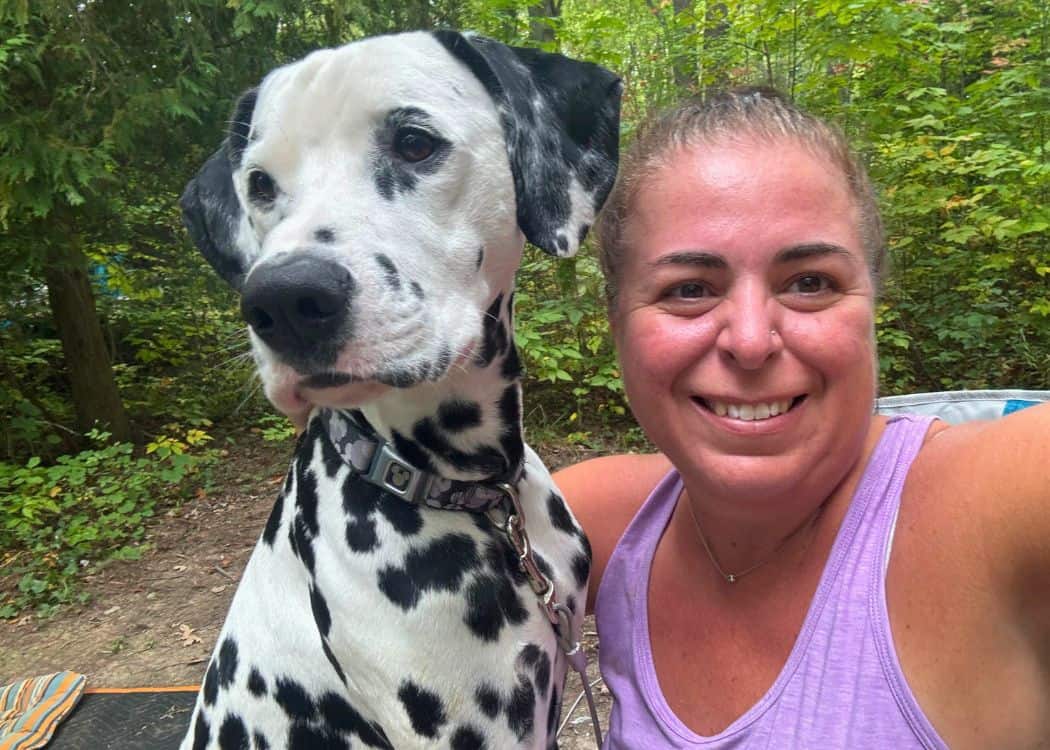
Tick and flea treatments are especially important to be up to date on.
Another great tip is to know your dog’s physical limits. This helps to avoid any unexpected health issues while camping, or especially while out for a hike.
Guinness is energetic, but we always monitor how he’s doing, especially on longer hikes in hot weather.

However, when my mom brought her 9-year-old Frenchie mix camping, “Scarlett” was only able to handle short walks and needed plenty of shade, or she became uncomfortable.
Choosing the Right Campsite for Dogs
Choosing the perfect campsite is always at the top of our list, whether we travel with or without pets.
But when Guinness accompanies us, it’s extra important.
Since John and I normally camp in Ontario Provincial Parks, we make sure to book sites in dog-friendly campgrounds, just in case the Granddog joins us.
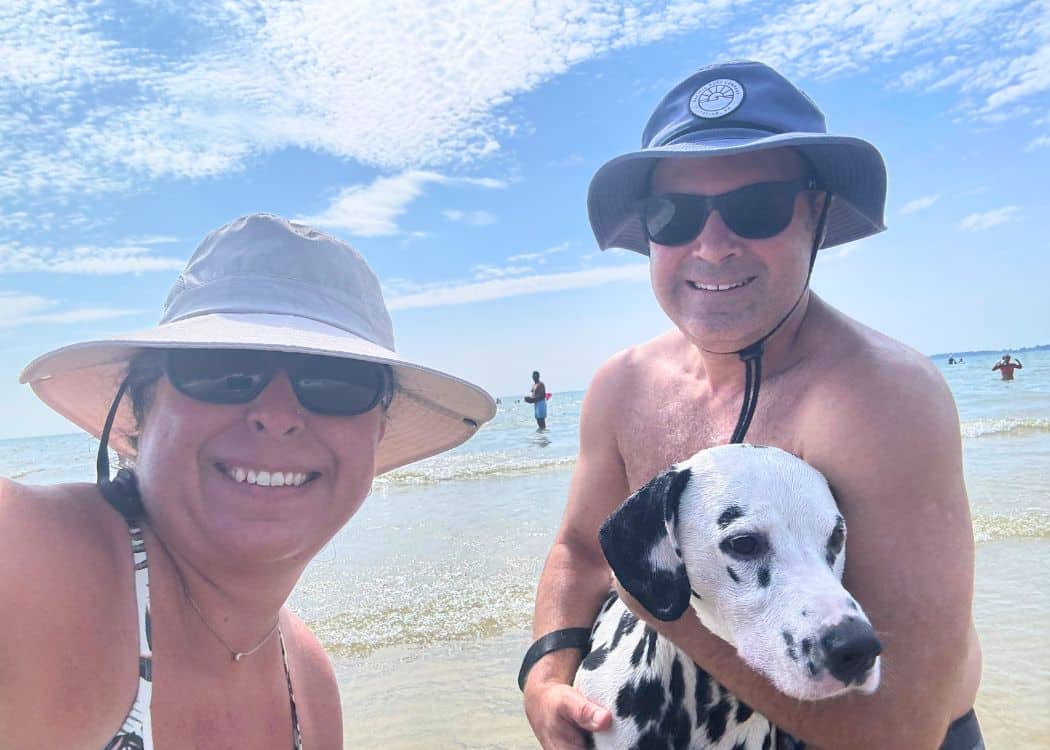
Sometimes Ontario Parks will have pet-free campgrounds, like Awenda Provincial Park’s Snake Campground.
In this case, you would have to look at one of the other campgrounds in the park.
However, other parks will only have pet-free campsites, like Algonquin Provincial Park, which has specific campsites within the Achray, Canisbay, Mew Lake, and Pog Lake Campgrounds that are pet-free.
Most campgrounds will clearly list their pet policies online, so you should not have any issues when looking for the perfect location.

In my opinion, parks that offer designated pet areas, trails, and even pet-friendly sections on the beach definitely make life easier.
When picking your exact spot, we would recommend choosing a larger site with mature trees that will give your dog plenty of space to move around, shade, and a buffer from your neighbours.
Most Ontario Parks, as well as conservation areas and many private campgrounds, will provide photos of the campsite, so you know exactly what you are getting.

Since Guinness loves a good nap in the shade after a morning hike, he’s appreciative of the sites with large trees that we tend to choose.
🌿. Pro Tip: Watch for poison ivy in the parks, on the trails and even around your campsite! While off-leash, your pet could easily bring poison ivy back to the campsite on their fur without your knowledge and spread it to you and all your gear.
Etiquette for Camping with Dogs
This is a big one!
Following campground etiquette is important for the safety and enjoyment of everyone around you, but most importantly, your dog.
Campground Leash Rules
First and foremost, make sure that you are familiar with leash laws.
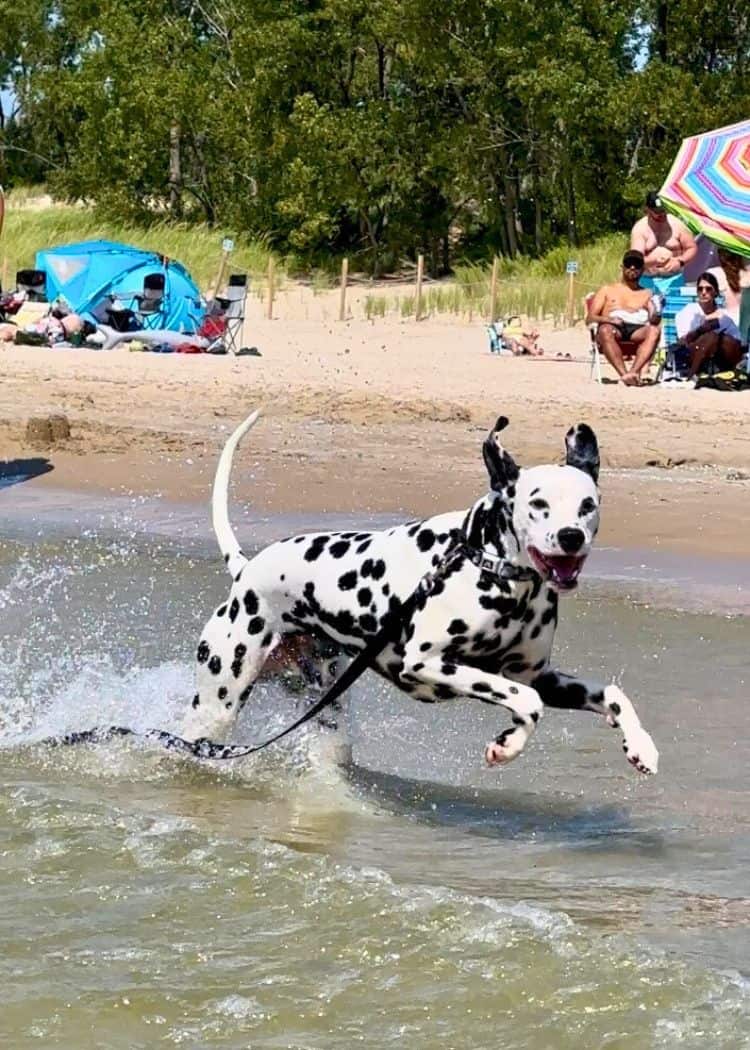
Most campgrounds require dogs to be leashed at all times. Some even mention the maximum length that the leash can be (i.e. Ontario Parks require your leash to be no longer than 6 feet, or 2 metres).
Most parks will allow dogs to be off-leash in pet exercise areas, and even while in the water on the pet-friendly beaches.
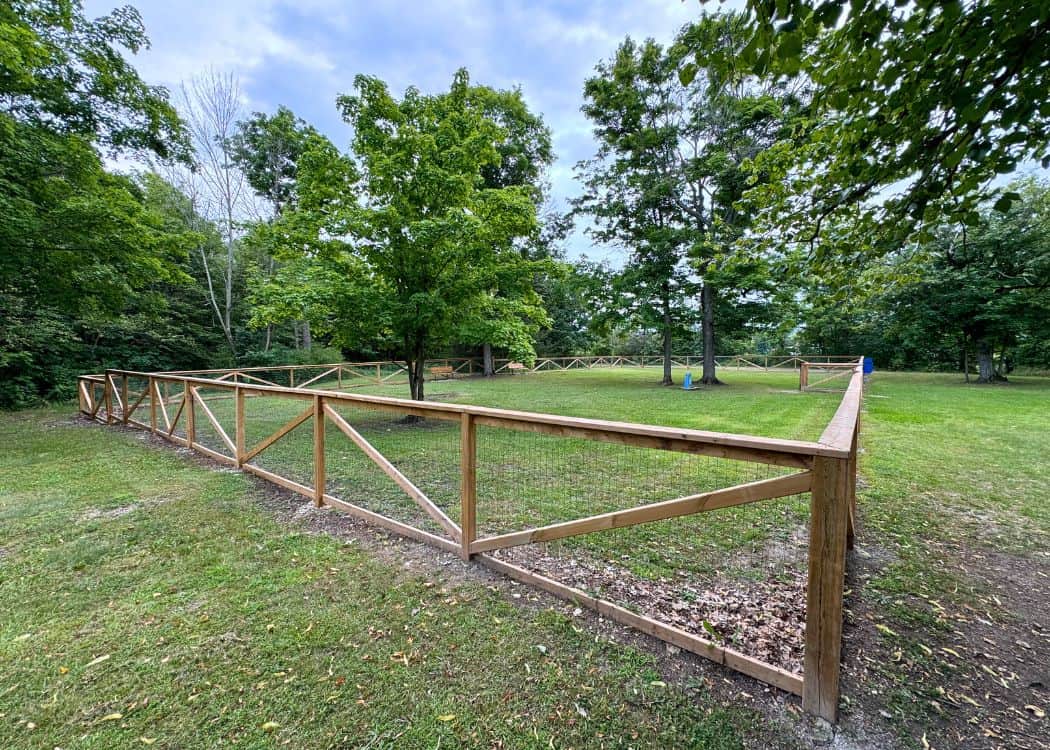
I think the nicest off-leash area that we have seen in an Ontario Park was at Ferris Provincial Park.
Not only was the area fenced, but there were benches inside and out that were shaded, dog waste bags were provided, and there was even a water tap in the run!
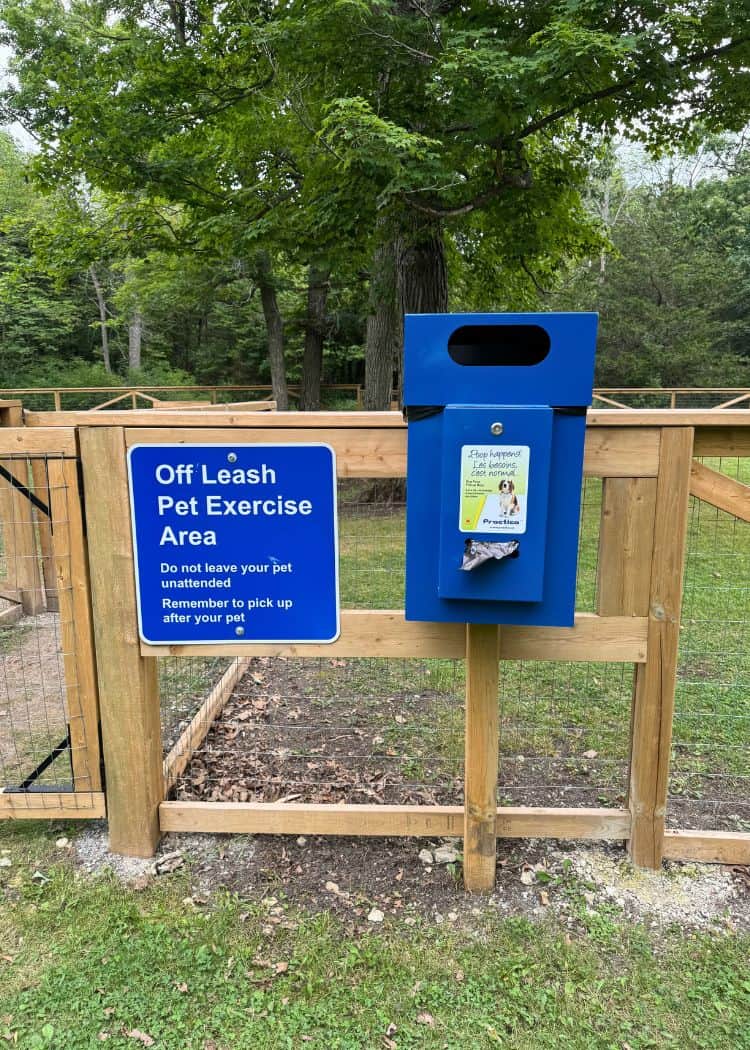
We keep Guinness on a comfortable 6 ft leash around the campsite, allowing him a little freedom without bothering neighbours.
Quiet Hours
Another rule to be aware of is that campgrounds have quiet hours, and that applies to dogs as well.
Always be ready to calm your dog if he gets too excited.
This is where knowing your dog’s personality will come in handy.

We know that Guinness may let out a couple of barks if strangers (or other animals) approach.
But we also know that he doesn’t bark nonstop in that situation.
Cleaning Up After Your Dog
Cleaning up after your dog is non-negotiable.
Pack plenty of waste bags and know the proper disposal spots around your campground.
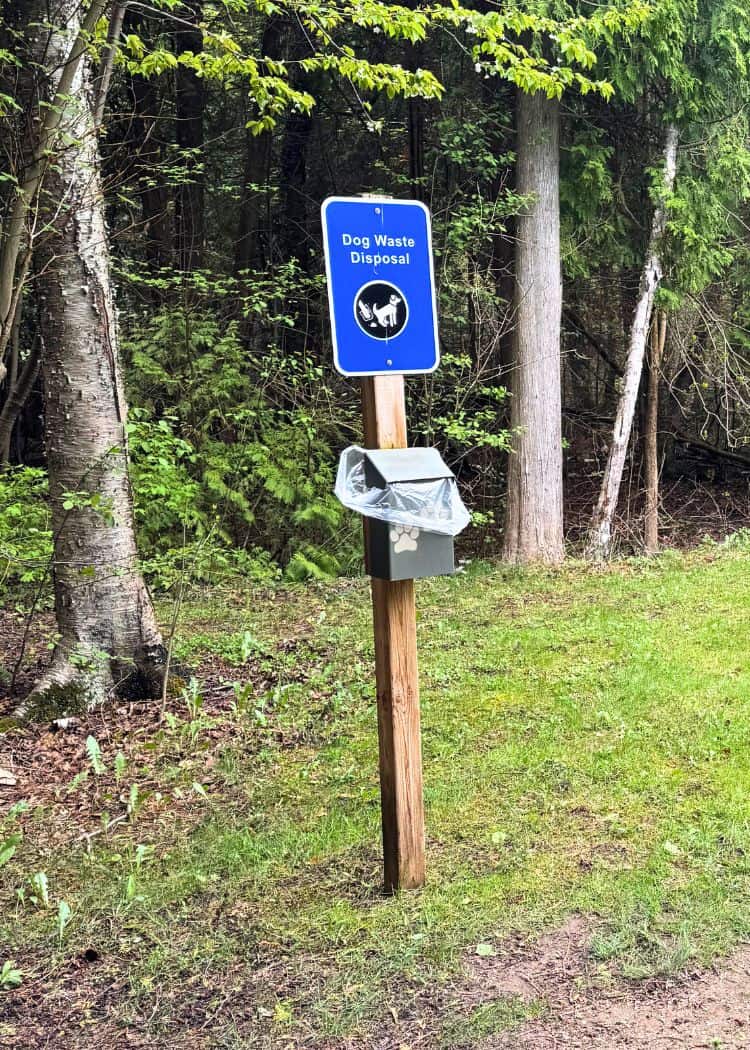
For example, when we were camping at Inverhuron Provincial Park, we noticed dog waste disposals located at the comfort stations.
Besides, leaving no trace is good etiquette and helps keep camping areas welcoming for everyone.
Respecting Wildlife and Other Campers
Your dog should never interfere with the enjoyment of other campers.
This means making sure your dog is not wandering into other campsites uninvited, barking incessantly or at all hours (like we mentioned above), or chasing other dogs on the trails and in other areas of the park.

Dogs should also not be allowed to chase wildlife.
Squirrels, birds, raccoons or even bears may live in the park, and your dog should not be allowed to interact with them.
Now, if your dog alerts you to large animals like bears, that’s perfectly fine! I say give them an extra treat in that case!
🐶 Insider Tip: You can check out all of the pet regulations at Ontario Parks here.
Safety Concerns for Dogs While Camping
There are several safety concerns to keep in mind when bringing your dog along on a camping trip.
Wildlife Encounters
As we just mentioned, respecting wildlife is important.
Wildlife encounters can be dangerous, so it’s pretty important that your dog responds well to commands.
Guinness has a really good recall command, but we would not want to test this during an encounter with a wild animal!

Another way to keep wildlife encounters to a minimum is by keeping a clean campsite.
All food scented items, including your dog’s food, should be stored in your RV, tow vehicle, or provided bear bins to avoid attracting wildlife.
This includes garbage and recycling.
We once had a cheeky raccoon at Sibbald Point Provincial Park steal our garbage bag right off the picnic table, WHILE we were sitting a couple of feet away!
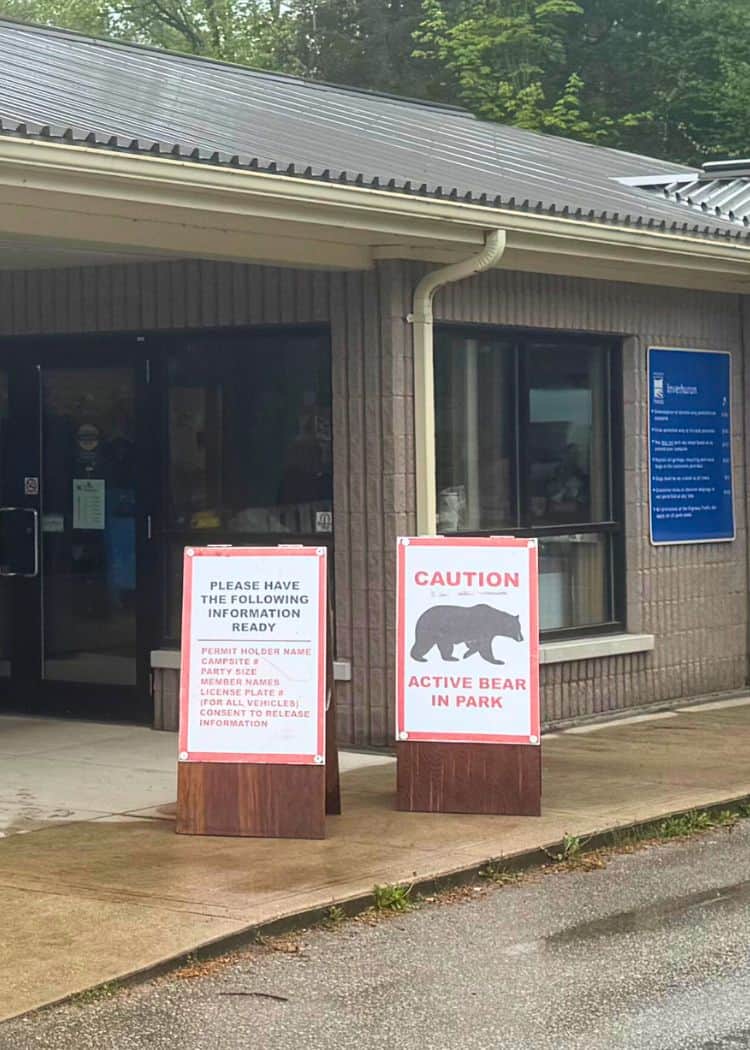
At the end of the day, it’s always a good idea to be aware of the risks of local wildlife before your trip, or at the very least, when you enter the campground.
If you are unsure of what lives in the area, ask the park wardens or staff when you arrive.
In fact, we are often alerted to bears in the area by park staff during check-in.
Common Health Issues
A good pet owner also knows how to recognize common health issues like overheating, insect bites or other injuries.
Overheating
Dogs can easily overheat, especially active breeds like Guinness, or older dogs like Scarlett.

If you are spending the day at the beach or on a gruelling hike, be sure to carry extra water and a collapsible bowl, and take regular breaks in the shade.
Ticks
Ticks are a very real problem for both people and dogs when camping. And the tough part is that they can make you pretty sick.
So not only do we make sure that Guinness is up to date on his shots, but our son also regularly checks him for ticks, especially after hiking through grassy areas.

Make sure that you have a pair of tweezers or tick removers in your camping gear, and be thorough with your checks.
Cuts & Scrapes
We always check Guinness for cuts and scrapes after we have been on a hike, or even after a walk on the beach.
Rocks or shells can easily cut the pads on a dog’s paw or between their toes.

We have also gotten cuts and scrapes on a hike from branches or weeds that grow over the trails.
First Aid Kit for Dogs
With everything that we mentioned above, it makes sense that we carry a first aid kit just for the dog.
A dog-specific first aid kit should contain essentials like bandages, tweezers, tick removers, antiseptic wipes, and paw balm.

It’s also a good idea to know where the closest veterinary clinic is, just in case of a serious emergency.
Camping with Your Dog Checklist – What’s Essential & What’s Just Nice to Have
We are overpackers. And unfortunately, our son has inherited that trait!
This is why Guinness has his own bag when he comes camping!
Don’t get me wrong, it’s not a bad thing! We never have to worry that our Granddog doesn’t have everything that he needs for a great camping trip.
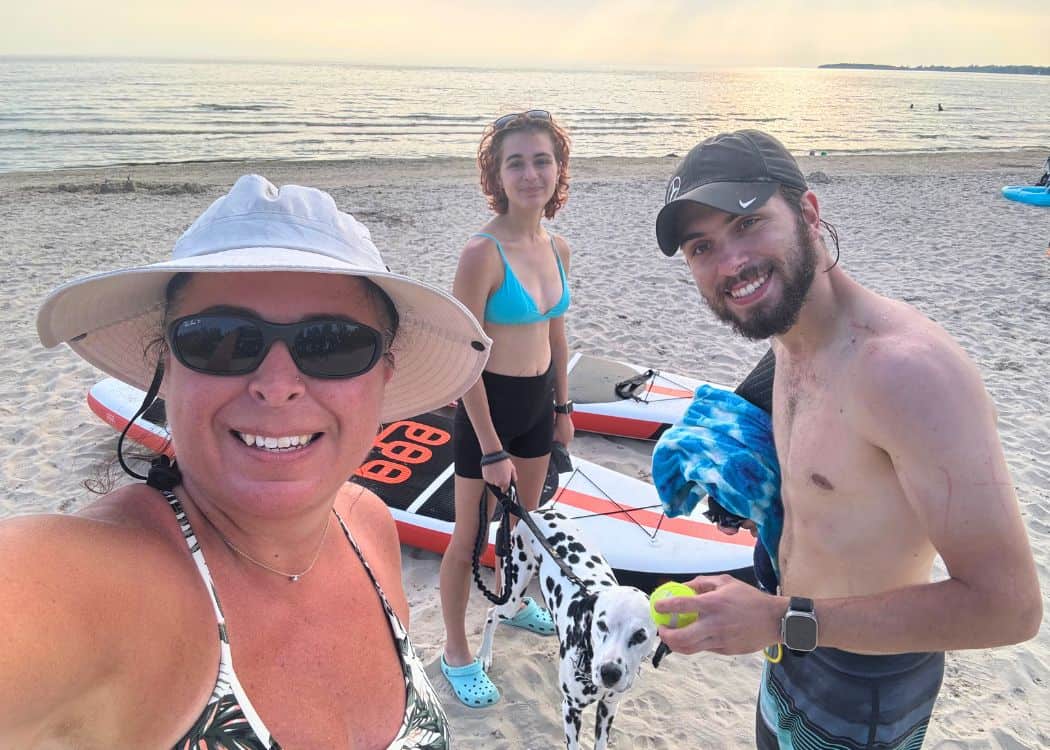
We suggest having a packing list for your dog, just as you would have one for yourself when you travel.
We have broken down our packing list into 2 sections: Must-Have items that you should not be without, and Helpful Items are good to have but not absolutely necessary.
Must-Have Camping Items for Dogs

Optional but Helpful Camping Items for Dogs
Preparing Your Dog for Camping
One of the best ways to ensure a successful camping trip with your dog is to do a little pre-trip training and prep.
Pre-Trip Training
Some of the best pre-training things to do at home include:
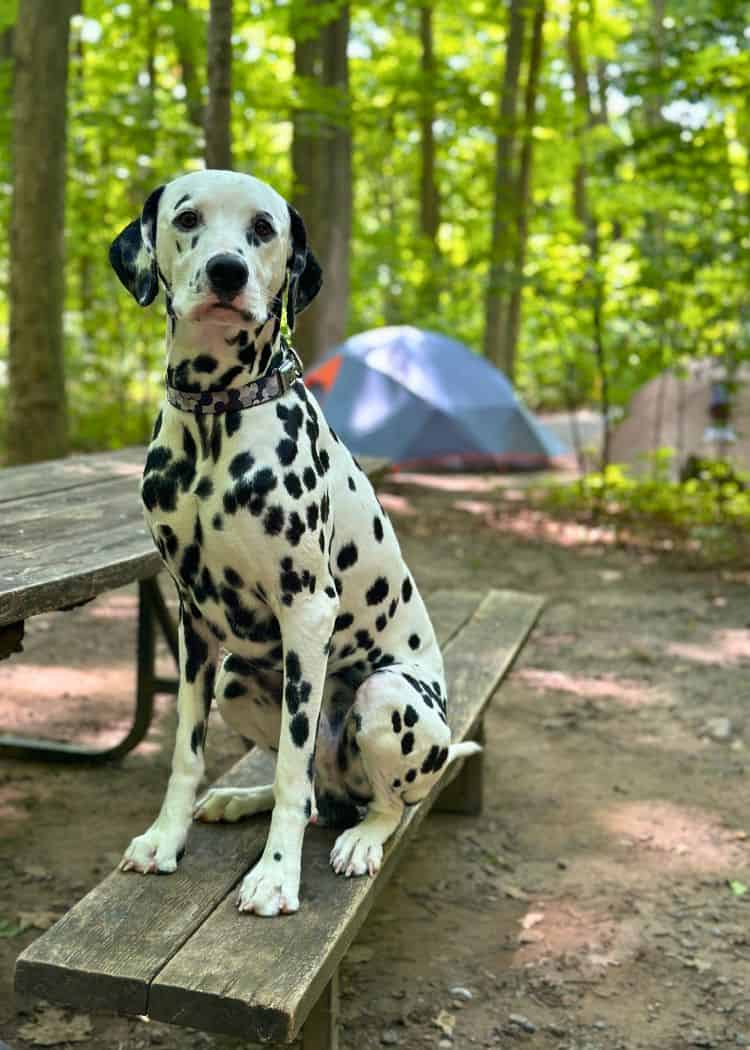
🚨 Pro Tip: If your dog is not used to children, be extra careful until you know how they will react. Take them to places prior to camping where you can expose them to kids. Guinness gets a fair amount of attention from kids (he’s the “firedog” after all), so we are extra careful. Good thing he’s ok with littles!
Test Runs
Of course, if you are unsure how your dog will react, you can always try a couple of test runs.
Activities to Enjoy With Your Dog While Camping
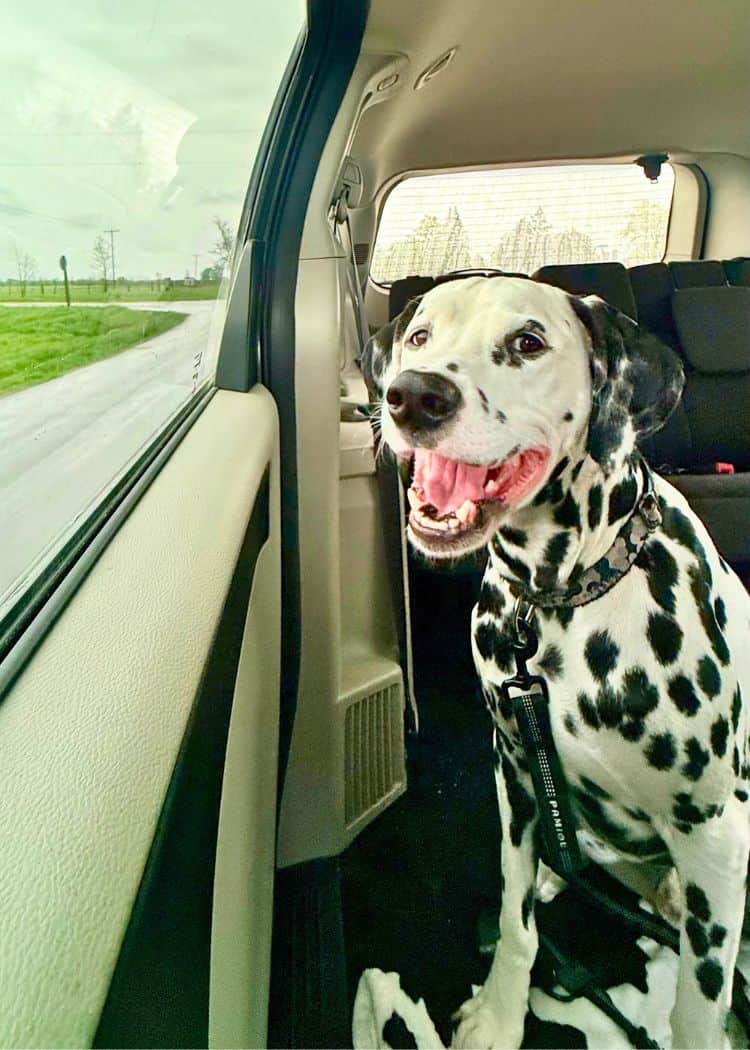
So part of the fun of bringing your fur baby camping is getting to do all your favourite activities together.
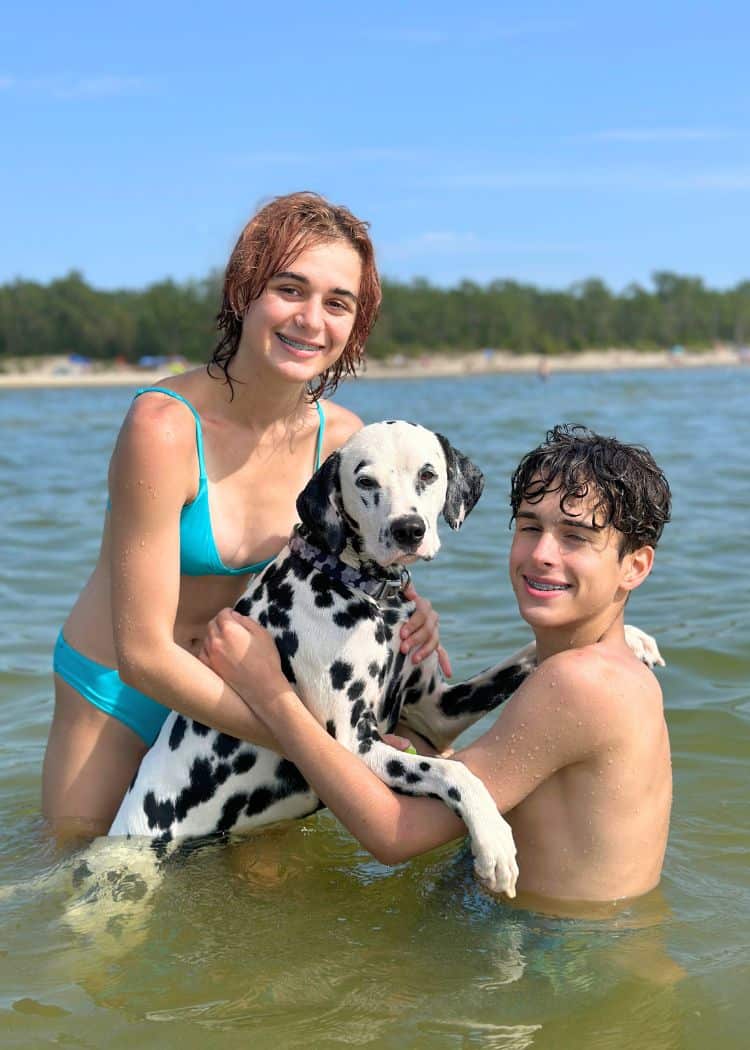
Some of the things we like to do with Guinness include:
Some things that we have not tried, but are planning to include:
The important thing to remember is to make sure that your dog is ok with the activities that you are planning.
While Guinness loves hikes and swimming, Scarlett did not. She preferred chilling by the campfire and sleeping in our beach tent.

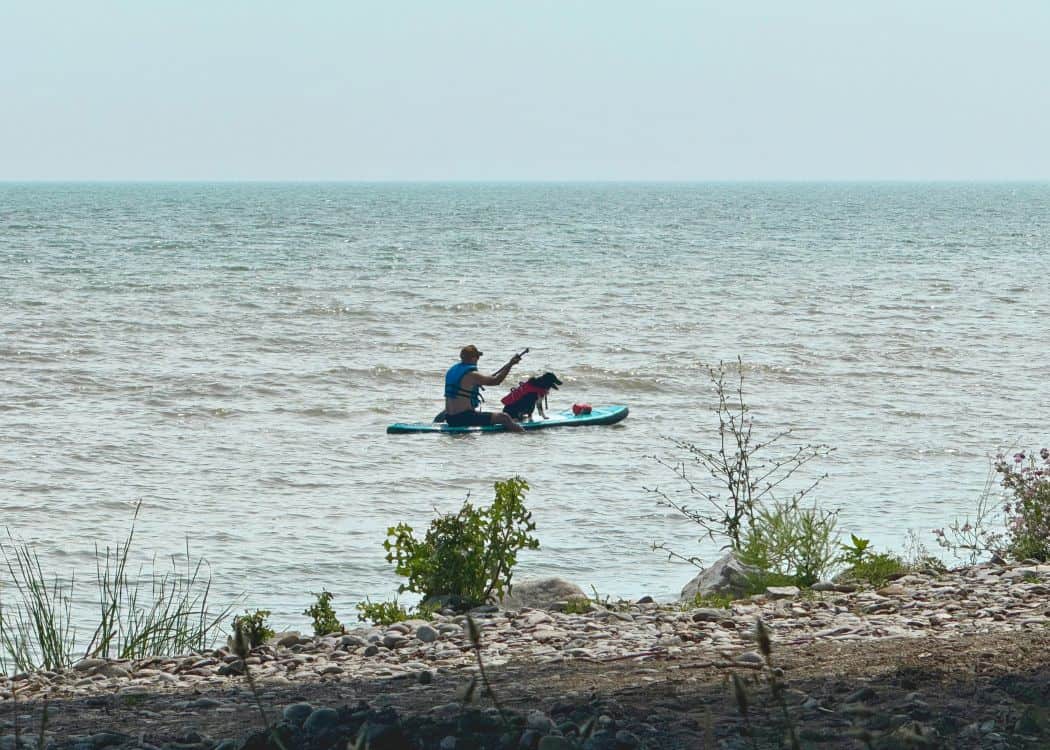
And while water activities like swimming or canoeing can provide hours of fun, we really would suggest investing in a dog life jacket for safety.
Camping with Your Dog – FAQs

No! You should not be leaving your dog alone at a campsite. Dogs can become anxious or disruptive when left in unfamiliar surroundings. Not to mention, they could overheat in an RV or tent, or get hurt when they encounter the local wildlife.
If barking is a concern, train your dog to respond to calming commands or distraction techniques ahead of time. Bring toys and treats as a distraction.
Many parks allow dogs, but usually with restrictions. Research each park’s policies carefully before planning your visit.
For mild allergies, always carry medications prescribed by your vet. If your dog has severe environmental allergies, then maybe camping is not the best option.
We don’t advise allowing your dog to sleep outdoors at night. But for daytime naps, providing a familiar bed and a nice spot of shade would make all the difference.

Final Thoughts
In conclusion, camping with your dog can be a fantastic time when you prepare well.
The best thing you can do is research ahead of time and plan for your dog’s comfort, health, and safety.
With the right planning, your fur baby will become the ultimate camping companion, bringing endless joy and memorable experiences to your adventures.
Pin This Post for Later!
Related Posts:
- How to Winterize Your Teardrop Trailer in 10 Easy Steps (With FREE Checklist)
- The Ultimate Guide to Camping with Your Dog
- Best RV Campsite Setup Ideas for Your Teardrop Trailer
- Ultimate RV Departure Checklist for Teardrop Trailers
- Ultimate RV Arrival Setup Checklist for Teardrop Trailers
- How to Level a Travel Trailer & Why It’s So Important
- Top 15 Tips for Towing a Teardrop Trailer with Your Family Car
- How to Dewinterize Your Teardrop Trailer
- How To Use an RV Dump Station for the First Time
- How to Book an Ontario Provincial Park Campsite – An Ultimate Guide
- How to Book a Parks Canada Campsite – An Ultimate Guide
- Camping with A Teardrop Trailer – How to Plan the Perfect Trip
